Category: My Blog

Why Your City Should Copy Barcelona’s New ‘Superblock 2.0’ Traffic Model (And What It Really Costs)

What Barcelona Actually Built (And Why It Works Better Than Anyone Expected)

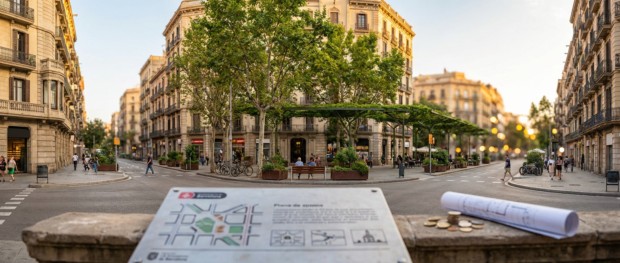
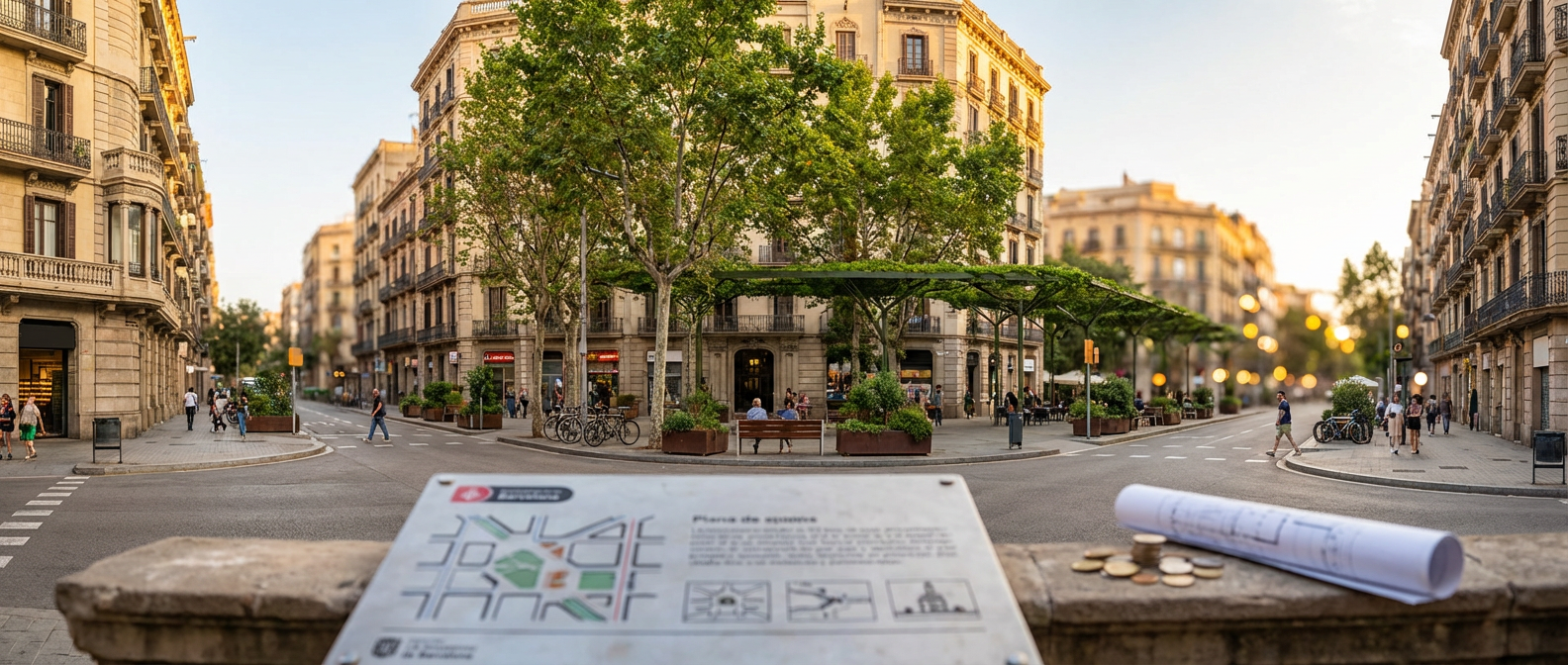
Barcelona’s superblocks aren’t just painted bike lanes or weekend street closures. They’re a complete rethinking of how residential neighborhoods function, where entire blocks become pedestrian-priority zones while still allowing residents to drive to their front doors. Think of it as turning your neighborhood streets into something closer to a European town square, but without the tourist traps.

Why Your City Should Copy Barcelona's New 'Superblock 2.0' Traffic Model (And What It Really Costs)
Why Your City Should Copy Barcelona’s New ‘Superblock 2.0’ Traffic Model (And What It Really Costs)

The second phase of Barcelona’s program, which wrapped up last year, shows results that should make every mayor take notice. Air pollution dropped by nearly a third in the 21 new districts where superblocks were implemented. That’s not just cleaner air for morning jogs. It’s measurably fewer kids with asthma, fewer emergency room visits for respiratory issues, and streets where you can actually hear your neighbor calling your name instead of shouting over traffic.

The mechanics are surprisingly straightforward. Barcelona removes about 70 percent of through-traffic from residential streets while keeping emergency vehicle access completely intact. Cars can still reach every address, but they can’t use neighborhood streets as shortcuts to avoid main arteries. It’s like putting up a gentle but effective “locals only” sign that actually works.

Illustration for Why Your City Should Copy Barcelona's New 'Superblock 2.0' Traffic Model (And What It Really Costs)
Illustration for Why Your City Should Copy Barcelona’s New ‘Superblock 2.0’ Traffic Model (And What It Really Costs)

The Real Numbers: What It Costs and What You Get Back

Barcelona invested 180 million euros in their second phase rollout, covering districts with populations over 15,000 each. Before you start calculating exchange rates and panicking about your city budget, remember that this isn’t just road paint and traffic cones. That investment includes complete street redesigns, new public spaces, improved lighting, expanded sidewalks, protected bike infrastructure, and often new playground equipment or community gathering spaces.

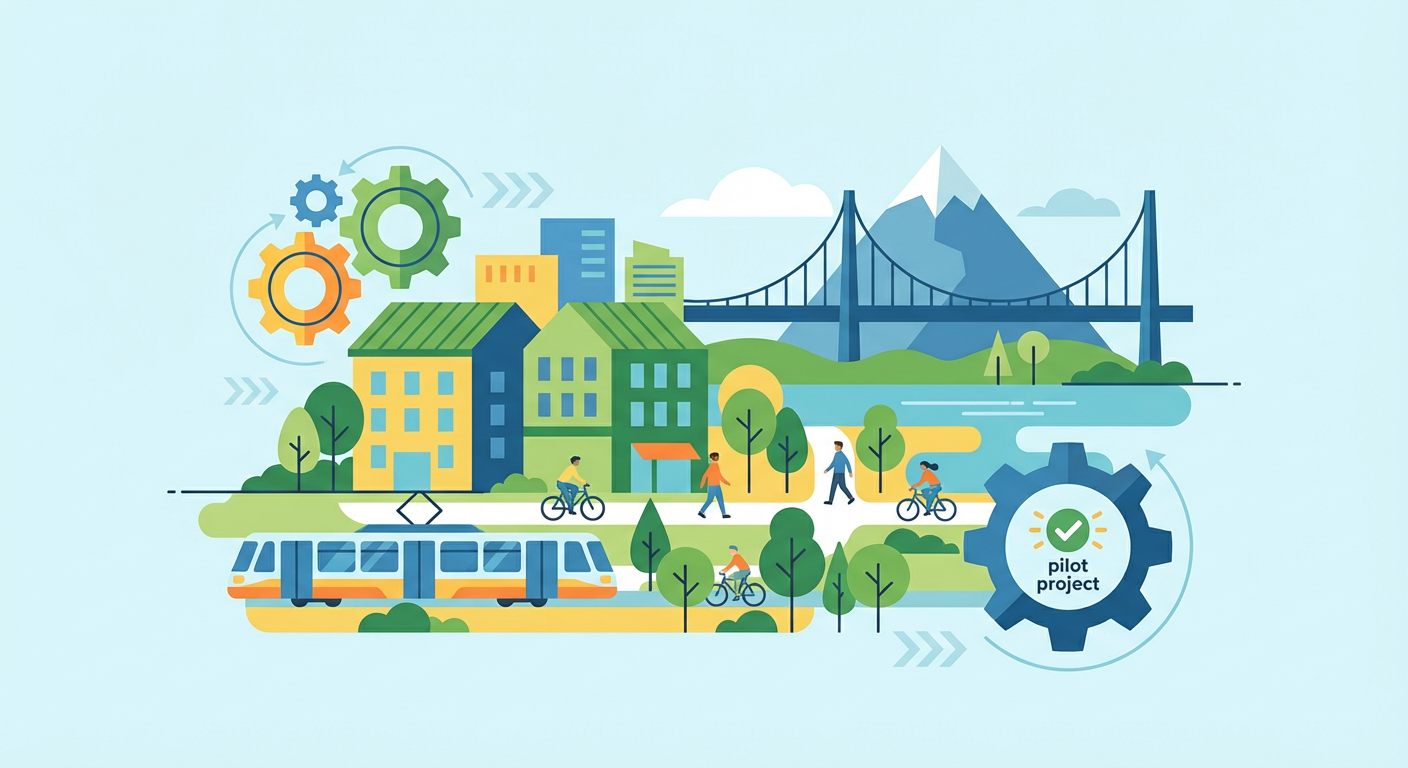
Portland became the first US city to officially adopt Barcelona’s model, allocating 45 million dollars for a three-year pilot program. Portland’s Superblock Implementation Plan breaks down costs in ways that translate better to American city budgets, including everything from community engagement sessions to the inevitable legal challenges that come with changing how streets work.

The business impact numbers tell a story that every chamber of commerce should hear. Local businesses initially saw revenue drop about 8 percent in the first six months as traffic patterns shifted and people adjusted to new routes. But here’s the part that matters for long-term planning: after 18 months, those same businesses were seeing revenue 12 percent above their original baseline. Turns out, people who walk and bike spend more money locally than people driving through to somewhere else.

Why Your City Council Will Love This (Even the Budget Hawks)

City councils love projects that solve multiple problems with one budget line item, and superblocks deliver on that promise. The same infrastructure that reduces air pollution also decreases traffic accidents, creates new public space without buying expensive land, and generates measurable economic activity for local businesses. It’s the rare urban planning solution that makes both the environmental advocates and the fiscal conservatives nod approvingly during budget meetings.

The maintenance costs actually decrease over time. Less car traffic means less wear on neighborhood streets, fewer potholes to fill, and lower long-term resurfacing costs. Meanwhile, the new pedestrian and bike infrastructure requires minimal ongoing maintenance compared to constantly repaving roads designed for heavy vehicle traffic.

Emergency services consistently report that superblocks don’t slow their response times because the design maintains clear access routes while eliminating the traffic congestion that actually delays ambulances and fire trucks. Some Barcelona districts report faster emergency response times because emergency vehicles no longer get stuck behind cars using residential streets as shortcuts during rush hour.

The Implementation Reality Check (Because Nothing Is Ever Simple)

Let’s be honest about what implementing superblocks actually requires beyond the money. You need community buy-in from residents who might initially resist changes to their driving routines. You need local businesses on board, especially during that first six-month adjustment period when foot traffic patterns are shifting. And you need city staff who understand that this isn’t just a transportation project but a complete neighborhood redesign.

The legal framework varies significantly between cities, and some places will need zoning changes or city charter amendments before they can restrict through-traffic on residential streets. Barcelona had the advantage of European traffic laws that already prioritize pedestrian access differently than most American cities. But Portland’s pilot program is creating legal precedents that other US cities can adapt without starting from scratch.

Political timing matters enormously. Superblocks work best when they’re implemented as part of broader neighborhood improvements rather than standalone traffic restrictions. Cities that successfully launch these programs typically bundle them with popular amenities like new parks, improved lighting, or infrastructure repairs that residents already want.

Getting Started: Your Next Tuesday Night City Council Meeting

Barcelona’s Superblock Impact Report 2025 provides the technical details and impact measurements that city planners need to build a convincing proposal. But the real work starts with showing up to public meetings and asking questions about how your city currently handles neighborhood traffic, pedestrian safety, and local business support.

Start by identifying one neighborhood in your city that already functions somewhat like a superblock. Maybe there’s an area where through-traffic naturally avoids residential streets, or where local businesses cluster around walkable blocks. Use that as your proof of concept rather than trying to convince skeptics with examples from European cities they’ve never visited.

The most successful superblock advocacy combines hard data about costs and benefits with personal stories about how street designs affect daily life. Bring both the budget numbers and the stories about kids being able to play outside safely, seniors feeling comfortable walking to corner stores, and local restaurants thriving with expanded outdoor seating.

If you’re ready to dig deeper into how this might work in your specific city, start by requesting traffic count data for your neighborhood streets and attending the next transportation committee meeting. Most cities publish their meeting agendas online, and transportation committees are usually smaller, less formal settings where you can actually have conversations rather than just deliver three-minute public comments into the void.

How Three Parents Changed Their School Pickup Line Into a Voting Drive

The Carpool Revolution

Sarah Martinez was sitting in her car last October, watching the same faces crawl through Jefferson Elementary’s pickup line for the twentieth time that month. Her daughter Emma was inside finishing art club. The school board election was three weeks away. And Sarah realized she was looking at two dozen parents who probably had no idea their property taxes were about to jump because of a bond measure that would definitely pass if people just showed up to vote.

Instead of scrolling through her phone like usual, Sarah walked over to the car next to her. “Hey, did you know we’re voting on new school funding next month?” Twenty minutes later, she had started a group text with six parents. By election day, they had registered forty-seven new voters and helped thirty-two families figure out mail-in ballots. The bond measure passed by twelve votes.

Finding Your Fifteen-Minute Window

The best civic work happens in the spaces you already occupy. Sarah’s group figured this out fast. They didn’t ask busy parents to attend evening meetings or sacrifice weekend family time. Instead, they mapped where parents naturally gathered: pickup lines, soccer sidelines, the grocery store parking lot after school shopping runs.

Marcus Thompson took the same approach with his apartment building’s laundry room. While waiting for his kids’ clothes to dry, he started conversations about the city’s new rent stabilization proposal. He printed one-page summaries and left them on the folding tables. Within a month, twelve families from his building had submitted public comments to the city council. The key was meeting people where they already were, doing things they already had to do.

This isn’t about adding more to your schedule. It’s about using the time you’re already spending in community spaces. The pediatrician’s waiting room. The line at the food truck during lunch break. The bench where you sit during your kid’s piano lesson. These fifteen-minute windows add up to real political power when you use them intentionally.

The Information Game

Most civic participation fails because the information is terrible. City council agendas read like legal documents written by robots. Ballot measures hide their real impact behind paragraph-long titles. Even finding your polling location requires navigating three different government websites that look like they were designed in 2003.

This is where busy families can actually have an advantage. You already know how to digest complex information quickly and explain it clearly because you do it every day with kids, partners, and coworkers. The same skills that help you explain why homework matters or break down a complicated work project can make civic information accessible to your neighbors.

Take the example of Lisa Chen, who turned her neighborhood’s private Facebook group into an unofficial civics classroom. Every time a local issue came up, she would post a three-bullet summary: what’s happening, why it matters, and what people can do about it. When the city proposed changing the school district boundaries, her post generated forty-seven comments and led to eight families attending the public hearing. The boundary change was modified based on parent input that came directly from that Facebook discussion.

Building Systems That Work for Real Life

The parents who create lasting civic engagement think like project managers, not activists. They build systems that work even when people are tired, distracted, or dealing with sick kids. This means creating multiple ways for people to participate and making each option genuinely useful.

Sarah’s pickup line group evolved into a simple system that other schools have now copied. They created a shared Google doc where anyone could drop information about local issues. They started a monthly “coffee and ballots” meeting that rotates between three different coffee shops, always with childcare provided by teenage volunteers earning community service hours. They keep a group text for urgent action items, but limit it to one message per week maximum.

The genius of their approach is redundancy. If you miss the group text, you can check the Google doc. If you can’t make coffee meetups, you get the summary in your email. If you’re overwhelmed by the weekly information, you can just show up to the seasonal voter registration drives they organize at school events. Everyone finds their level of engagement without guilt or pressure.

When the Work Gets Complicated

Real civic engagement means dealing with real disagreements, even within your own community. Sarah’s group learned this when half the parents supported the library expansion levy and half opposed it because they were worried about property tax increases. The conversation got heated fast.

Instead of avoiding the conflict or splitting into opposing camps, they did something smarter. They organized a joint childcare arrangement so both sides could attend the public library meeting together. They agreed to sit near each other and ask questions that would help everyone understand the actual numbers behind the levy. They focused on gathering information rather than winning arguments.

The levy passed, but more importantly, the group stayed together. Parents who disagreed with each other on that issue worked side by side on the next campaign to get a crossing guard at the dangerous intersection near school. They had learned that civic engagement isn’t about being right all the time. It’s about showing up consistently and helping your community make informed decisions, even when those decisions are complicated.

Your Neighborhood’s Next Chapter

The pickup line voter drive happened because one parent decided to talk to the person in the car next to her instead of staring at her phone. The laundry room rent stabilization campaign started with someone who chose to print out information instead of just forwarding a link. These small decisions created ripple effects that are still changing their communities two years later.

Look around the spaces where you already spend time with other families. What conversations are people avoiding? What information do people need but can’t easily find? What would change in your neighborhood if just five more families understood how local government actually works? The foundation for civic engagement is already there, waiting in the places where you already are.

Why the Riverside Community Garden Split Into Two Projects (And What That Teaches Us About Shared Spaces)

The Plot Twist Nobody Saw Coming

Three months ago, the Riverside Community Garden project looked like a sure thing. Forty-seven neighbors had signed up, the city had identified a perfect quarter-acre lot on Maple Street, and the initial planning meetings were drawing standing-room-only crowds to the community center. Then came the October 15th meeting where everything changed.

Sarah Chen wanted raised beds and a tool shed. Marcus Williams pushed for in-ground plots and a greenhouse. What started as a discussion about garden layout turned into something much deeper: a basic disagreement about what community space should look like, who gets to decide, and how we balance individual needs with collective vision. By November, we had two separate garden projects and a lot of hurt feelings.

The Real Issues Hiding Under the Soil

The raised beds versus in-ground debate wasn’t really about gardening techniques. Sarah’s group, mostly renters and newer residents, needed garden infrastructure they could eventually move or modify. Marcus’s group, largely longtime homeowners, wanted permanent improvements that would increase property values and create lasting neighborhood assets. Both perspectives make sense when you understand the housing security behind them.

The tool shed versus greenhouse split showed another layer. The shed supporters needed immediate storage for basic tools and a simple meeting space. The greenhouse advocates wanted year-round growing capacity and educational programming for kids. One group needed practical solutions for this growing season. The other was planning for the next decade.

Neither side was wrong, but our planning process hadn’t created space to address these different timelines and priorities upfront. We jumped into design details before establishing shared values and decision-making frameworks.

How Two Gardens Emerged From One Vision

After some tense November conversations and a lot of behind-the-scenes relationship repair, both groups found workable solutions. Sarah’s team partnered with the Riverside Elementary PTA to create the school garden project on a smaller city-owned lot behind the playground. They’re building moveable raised beds and planning a simple storage system using repurposed materials from the high school’s recent renovation.

Marcus’s group got a five-year lease on the original Maple Street site through the Parks Department’s new community land program. They’re breaking ground this spring on twenty in-ground plots, a tool library housed in a converted shipping container, and a small greenhouse funded through a combination of city sustainability grants and member contributions.

Both projects are doing well in their own ways. The school garden hosted its first seed-starting workshop last weekend, drawing families from three different neighborhoods. The Maple Street group just finished their winter planning sessions and has a waiting list of twelve people for plot assignments.

What the Split Shows About Community Development

This garden disagreement shows broader tensions in how we develop shared community spaces. Newer residents often need flexible, temporary solutions that don’t require big upfront investments or long-term commitments. Established residents frequently want permanent improvements that build lasting community assets. Both approaches have merit, but our planning processes rarely acknowledge these different needs explicitly.

The city’s role in this situation was telling. Parks Department staff initially tried to mediate between the two visions, hoping to find a compromise that would satisfy everyone. When that proved impossible, they switched to supporting both projects rather than picking winners and losers. This approach required more administrative work but avoided forcing artificial consensus where genuine differences existed.

The funding structures also shaped the conflict. Grant applications and city programs tend to favor either grassroots quick-start projects or substantial infrastructure investments. They rarely support hybrid approaches that might have bridged the divide.

Lessons for Future Shared Space Projects

Our garden split offers some practical insights for other community development efforts. Start planning conversations with explicit discussions about timelines, investment levels, and decision-making processes before diving into design details. Create space for people to express different visions without immediately jumping to compromise solutions that might satisfy no one.

Consider whether one large project or multiple smaller ones might better serve diverse community needs. Sometimes the pressure to build consensus around a single vision prevents us from recognizing that multiple approaches could coexist and even strengthen each other.

Pay attention to the structural factors that influence people’s preferences. Housing security, income stability, family responsibilities, and neighborhood tenure all affect what kinds of community investments make sense for different residents.

Most importantly, disagreement doesn’t equal failure. Both garden projects are creating valuable community connections and producing food for local families. The process taught all of us more about our neighborhood’s diversity and helped clarify what different residents need from shared spaces.

What other community projects in your area have split or evolved in unexpected directions? What did those changes show about the different needs and priorities in your neighborhood?

The Three Things Every Neighborhood Business Actually Needs (Hint: It’s Not More Instagram Followers)

What Happens When You Actually Ask

Last month I sat down with Maria from the corner bakery and asked her straight up: what would actually make a difference for your business? I expected her to say foot traffic or social media help. Instead, she pulled out a notebook where she’d been tracking something I’d never thought about. Every time a customer asked for something she didn’t carry, she wrote it down. Turns out, half her customers were looking for gluten-free options, but she didn’t know where to source decent flour locally.

That conversation got me thinking. We talk a lot about supporting small businesses, but most of our efforts focus on the customer side. Shop local, leave reviews, tell your friends. All good things. But what if we looked at this from the business owner’s perspective? What do they actually need to thrive, and how can we as neighbors help with the stuff that really matters?

The Supply Chain Puzzle Nobody Talks About

Here’s what I learned from talking to eight business owners on our stretch of Main Street: the biggest challenge isn’t customers, it’s logistics. Tom at the hardware store spends three hours every Tuesday driving to three different suppliers because he can’t get everything delivered economically. Sarah who runs the vintage shop has been trying to find a local upholsterer for two years because her customers keep asking about furniture restoration.

The solution isn’t complicated, but it requires coordination. Last year, businesses in the Riverside neighborhood started a quarterly supplier meetup. Local business owners share vendor contacts, coordinate bulk orders, and introduce each other to services they’ve found. Tom now gets his hardware deliveries bundled with two other stores, cutting his supplier run down to 45 minutes once a week. Sarah connected with an upholsterer through the group and now offers restoration services as a regular part of her business.

You can start this in your area with a simple group text or monthly coffee meetup. The North End Business Collective meets the first Tuesday of every month at 7 AM at Rosie’s Diner, and anyone can join. They keep a shared Google doc with vendor contacts, delivery schedules, and service recommendations. Nothing fancy, but it works.

The Skill Swap That Actually Moves the Needle

Every neighborhood has people with professional skills who shop at local businesses. What most neighborhoods don’t have is a way to connect those skills with business needs systematically. I’m not talking about free consulting that undervalues professional work. I’m talking about structured exchanges that benefit everyone involved.

The Maple Street corridor figured this out two years ago with their Skills Exchange. Local accountant Jenny does quarterly bookkeeping workshops for business owners. In return, participating businesses offer services at cost to Skills Exchange members. When Jenny needed her kitchen renovated, she worked with local contractor Mike who’d attended her workshops. Both saved money and built stronger professional relationships.

Start small with what you know exists in your neighborhood. Set up a simple matching system, maybe a shared spreadsheet or a dedicated Facebook group. Focus on ongoing education rather than one-off favors. Business owners learn useful skills, professionals practice teaching and build community connections, and everyone develops a deeper understanding of what makes local businesses work.

The Zoning Reality Check

This is the part where civic engagement gets real. Most of our business districts were zoned decades ago, and many of the rules don’t match how businesses actually operate now. Food trucks need commissary access. Retail shops want to offer classes or workshops. Service businesses need flexible hours for their customer base.

Last spring, three business owners on Oak Avenue wanted to extend their hours to accommodate customers who work downtown. Sounds simple, right? Except our zoning code required a conditional use permit for any business open past 9 PM in that district. The permit process takes four months and costs $800. None of the businesses could afford to stay closed that long or pay the fee upfront.

Here’s what worked: neighbors showed up to the planning commission meeting. Not to complain, but to ask questions. What was the original reason for the 9 PM limit? How had other districts handled similar requests? What would it take to modify the rule? Turns out, the restriction existed because of noise complaints from a bar that closed fifteen years ago. The commission voted to remove the time restriction for non-alcohol businesses, and all three shops now stay open until 10 PM.

City council and planning commission meetings are boring until they’re not. Check your city website for upcoming zoning discussions that affect your business district. Show up, ask informed questions, and bring specific examples of how current rules create problems for businesses you actually frequent.

Building the Network That Sticks

The most effective business support I’ve seen happens through consistent, low-key connection rather than big initiatives. The Westside Business Walk happens every third Saturday. Business owners and neighbors walk the district together, stopping at each business for ten minutes. Owners share what’s working, what’s not, and what they’re planning. Neighbors learn about new products, upcoming events, and ways they can help.

What makes it work is the routine and the focus. Same time every month, same format, always productive rather than social. Business owners know they’ll get useful input and connections. Neighbors know they’ll learn something concrete about how their district functions. After eighteen months, the group has helped create two business partnerships, solved three zoning issues, and launched a successful shared delivery service.

Your neighborhood version might look completely different. Maybe it’s a monthly email chain where business owners share challenges and neighbors offer resources. Maybe it’s a quarterly planning session focused on specific projects like joint marketing or shared services. The key is creating something sustainable that tackles real needs rather than good intentions.

Next time you’re in your favorite local shop, ask the owner what would genuinely help their business thrive. Then ask yourself what you’re positioned to actually do about it. The answer might surprise you both.

The Empty Lots Where We Used to Win

When the Hardware Store Closed, We Lost More Than Screws

Martinez Hardware closed three years ago, and with it went something I didn’t realize we’d been taking for granted: a place where neighbors bumped into each other while buying lightbulbs and ended up planning block parties. The owner, Carmen Martinez, had let community groups put flyers by the register for fifteen years. She’d point customers toward whoever was organizing cleanup days or school fundraisers. “You should talk to Rosa about that,” she’d say, connecting dots we didn’t even know needed connecting.

That hardware store taught me something important about grassroots organizing that most guides skip over: infrastructure isn’t just about having meeting spaces and phone trees. It’s about the everyday places where people naturally gather, the trusted voices who can make introductions, and the small moments of connection that happen before anyone thinks to call it “organizing” at all.

Building on What Already Works

The most effective neighborhood campaigns I’ve seen didn’t start with clipboard-wielding strangers knocking on doors. They started with people who were already solving problems together. When Maria Gonzalez wanted to get speed bumps installed on Pine Street, she didn’t begin by researching traffic safety statistics. She started by talking to other parents at the school pickup line who’d watched kids nearly get hit by cars racing through the neighborhood.

Those parents already had a routine of gathering twice a day. They already trusted each other with their children’s safety. Maria’s genius was recognizing that this existing network could tackle bigger problems than just coordinating carpools. Within six months, they’d collected 200 signatures, attended city council meetings as a group, and secured funding for traffic calming measures.

This approach works because it builds on relationships that people value for reasons beyond your campaign. The parents didn’t show up to meetings because they suddenly cared about municipal policy. They showed up because they cared about each other’s kids and knew their neighbors would have their backs.

The Listening Tour That Actually Listened

Last fall, a group of tenants organized against rent increases in the Riverside Apartments. Instead of immediately demanding meetings with the landlord or staging protests, they spent two months just talking to their neighbors. Not surveying them or interviewing them, but actually listening to what people were already saying in laundromats and parking lots.

What they discovered changed everything. Yes, people were angry about rent hikes, but what kept them up at night was the broken heating system and the fact that maintenance requests disappeared into a black hole. The rent increase felt like the final insult, not the core problem. So when they finally organized, they focused on habitability issues first. This gave them legal leverage and attracted support from neighbors who might not have joined a fight focused solely on rent.

The key was that organizers approached these conversations as neighbors, not as campaigners with an agenda. They asked open-ended questions: “How’s living here been for you?” instead of “Are you angry about the rent increase?” They found out that Mrs. Chen on the third floor was a retired union organizer, and that the college students in 2B had experience with social media campaigns. They learned that the building’s informal communication network ran through the laundry room, not the mailboxes.

When Good Intentions Meet Real Constraints

Not every campaign succeeds, and the failures teach us as much as the victories. Two years ago, a group of us tried to save the community garden on Elm Street from being sold to developers. We had everything the organizing guides recommend: clear goals, diverse leadership, a solid research base. We packed city council meetings, gathered over 500 signatures, and even raised money for legal fees.

We lost anyway, and not because we didn’t try hard enough. We lost because the city had already committed to the sale months before we got organized. The budget depended on that revenue. The developer had political connections we couldn’t match. Most importantly, we’d misread the power dynamics completely. We thought this was about land use and community values. For the city council, it was about fiscal solvency.

The garden is gone now, replaced by luxury condos. But the relationships we built during that campaign created the foundation for our current work on affordable housing. The research we did taught us how the city’s development process actually works. The people who showed up to those meetings are the same ones organizing today around issues where we actually can win.

The Long Game Requires Short-Term Wins

Grassroots organizing lives in the tension between urgent problems and slow change. People need to see results, but structural change takes years. The most sustainable campaigns I’ve been part of have found ways to deliver concrete improvements while building toward bigger goals.

The Pine Street speed bump campaign didn’t stop with traffic safety. Once parents saw they could influence city decisions, they started asking why the school district’s budget was so opaque, why there weren’t crossing guards at busy intersections, why the playground equipment had been broken for two years. Each small victory built confidence for tackling larger problems.

This requires organizers to think strategically about sequencing. Start with issues where you can win relatively quickly and where success creates leverage for harder fights. Build skills and relationships through smaller campaigns that prepare people for more complex work. Most importantly, celebrate the wins, even modest ones. When the city finally fixed the broken streetlights on Oak Avenue after eighteen months of pressure, we threw a block party. Not because streetlights are revolutionary, but because neighbors needed to see that their collective effort had made a tangible difference.

What We’re Building Instead

Carmen’s hardware store is a cell phone repair shop now. It’s not the same kind of gathering place, but that’s not necessarily the point. The question isn’t how to recreate what we’ve lost, but how to build what we need for the problems we’re facing now.

The neighbors who met at Martinez Hardware still organize together, but they’ve had to be more intentional about creating spaces for connection. They host monthly potlucks that rotate between different apartments. They started a neighborhood text chain that’s become the informal communication hub Carmen’s register used to be. They’re not trying to bring back the past. They’re building something new with the same underlying function: bringing people together around shared concerns and helping them discover their collective power.

That’s the real lesson from these organizing experiences. Success isn’t measured only in policies changed or developments stopped. It’s also in neighbors who know each other’s names, people who understand how their city government actually works, and communities that can respond collectively when the next crisis hits. What organizing tactics have created lasting change in your neighborhood? What informal gathering places have you lost, and what have you built to replace them?

How Three Neighbors Turned a Vacant Lot Into a Victory for Environmental Justice

The Problem Was Right There in Black and White

When Maria Santos pulled up the city’s air quality data for her neighborhood last spring, the numbers told a story she already knew by heart. Her block, squeezed between the interstate and a cluster of warehouses, registered particulate matter levels consistently 40% higher than the affluent neighborhoods just fifteen minutes west. The difference wasn’t subtle, and it wasn’t accidental.

How Three Neighbors Turned a Vacant Lot Into a Victory for Environmental Justice

What started as research for a school board meeting turned into something much bigger. Maria had been trying to understand why her daughter’s asthma seemed worse during certain times of year, and why so many kids in their area carried inhalers. The data confirmed what residents had been experiencing: their corner of the city bore a disproportionate burden of environmental hazards while having the least access to green space.

The vacant lot on Maple Street became the focal point. For three years, it had collected trash, hosted illegal dumping, and reminded everyone of municipal neglect. But Maria saw something else when she looked at that quarter-acre of packed dirt and scattered debris. She saw possibility.

Illustration for How Three Neighbors Turned a Vacant Lot Into a Victory for Environmental Justice

Building the Case, One Conversation at a Time

The first step wasn’t dramatic. Maria simply started talking to her neighbors. Not about grand plans or environmental justice theory, but about specific, daily frustrations. Why did Mrs. Chen have to drive twenty minutes to find a decent playground for her grandkids? Why did the city’s tree planting program seem to skip their streets year after year?

These conversations led to coffee with David Kim, a retired engineer who lived two blocks over, and eventually to a meeting with Jasmine Rodriguez, a recent urban planning graduate working at the community health center. The three of them started meeting monthly, armed with city council agendas, budget documents, and a growing folder of research about urban heat islands and environmental health disparities.

The breakthrough came when David discovered that the vacant lot was actually city-owned, tied up in a bureaucratic tangle involving unpaid taxes and a defunct development proposal. More importantly, they learned about a pilot program the city had quietly launched to address environmental justice concerns through community-driven green infrastructure projects. The program had funding but few applicants, partly because the application process was buried deep in the city’s website and required navigating multiple departments.

Making It Official Without Losing the Momentum

The application process taught them everything they needed to know about how environmental justice issues persist. Forms had to be submitted to three different departments, each with its own timeline and requirements. Community input needed to be documented in specific formats that favored organizations with grant-writing experience over grassroots groups with lived experience.

But they had something many applicants lacked: time and stubbornness. Maria took vacation days to attend city meetings. David created detailed soil and drainage assessments using his engineering background. Jasmine coordinated with the health center to document the connection between local air quality and respiratory health outcomes in their neighborhood.

The breakthrough came during a city council meeting in July. Instead of simply submitting their application and hoping for the best, they organized twenty neighbors to attend and speak during public comment. The stories were powerful because they were specific. Mrs. Chen talked about her grandson’s emergency room visits during high-pollution days. A local shop owner described how the vacant lot’s dust and debris affected his business and customers’ health.

Three weeks later, they received approval for $45,000 in funding to transform the lot into a community green space with native plants chosen specifically for air filtration. The project would also include permeable surfaces to reduce stormwater runoff and seating areas designed by community members.

The Work Behind the Work

Winning funding was just the beginning. The real work started with soil testing, which revealed contamination from decades of dumping. This meant more paperwork, environmental assessments, and a four-month delay while the city arranged for soil remediation. During this time, the trio had to keep neighbors engaged and informed while navigating setback after setback.

They held monthly meetings at the community center, sharing updates and maintaining momentum. When the city’s contractor fell through, David leveraged his professional network to find alternatives. When supply chain issues delayed native plant deliveries, Maria organized seed collection walks where neighbors gathered seeds from existing native plants in nearby parks.

The actual construction took six months, with neighbors contributing everything from weekend labor to homemade lunch for volunteer crews. Jasmine coordinated with local high schools to make the project part of environmental science curricula, bringing student volunteers who earned community service credits while learning about environmental justice firsthand.

The finished space includes over 200 native trees and shrubs chosen for their air-filtering capabilities, rain gardens that capture runoff from surrounding streets, and seating areas made from recycled materials. Air quality monitoring equipment, installed in partnership with the local university, provides ongoing data about the space’s environmental impact.

What Actually Changed

Six months after the green space opened, the results are measurable. Air quality monitoring shows a 15% reduction in particulate matter in the immediate area during peak traffic hours. The rain gardens have captured an estimated 12,000 gallons of stormwater runoff, reducing flooding on nearby streets. Property values in the surrounding area have increased modestly, benefiting long-time residents without yet triggering displacement concerns.

But the less measurable changes might matter more. The project created a network of neighbors who now attend city council meetings regularly, not just for their own issues but to support other communities facing similar challenges. Maria was appointed to the city’s environmental justice task force. David started a consulting service helping other neighborhoods navigate the grant application process.

Most importantly, the project proved that environmental justice isn’t just about protesting problems but about building solutions. The green space has become a model that three other neighborhoods are adapting for their own contexts, each with city council support that might not have existed without this precedent.

The next city council meeting is Tuesday at 7 PM, and there’s always room for more neighbors who want to see what’s possible when we combine lived experience with bureaucratic persistence. The agenda and background materials are posted online, and yes, I’ll bring coffee if you want to review them together first.