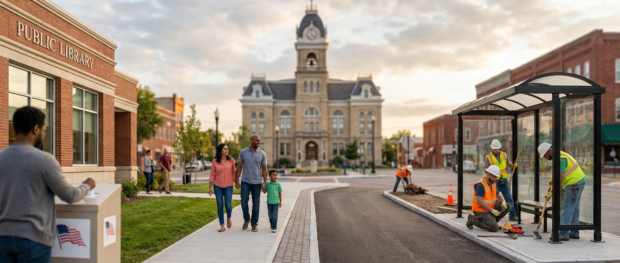
The Decisions That Hit Your Wallet First
Last Tuesday, while most of us were arguing about coffee prices on social media, the city council voted to increase water rates by 12% and approved a new fee structure for building permits that will add roughly $800 to any home renovation project. These aren’t abstract policy decisions. If you’re planning to add a deck this summer or your monthly utility bill already makes you wince, these votes directly changed your financial reality.
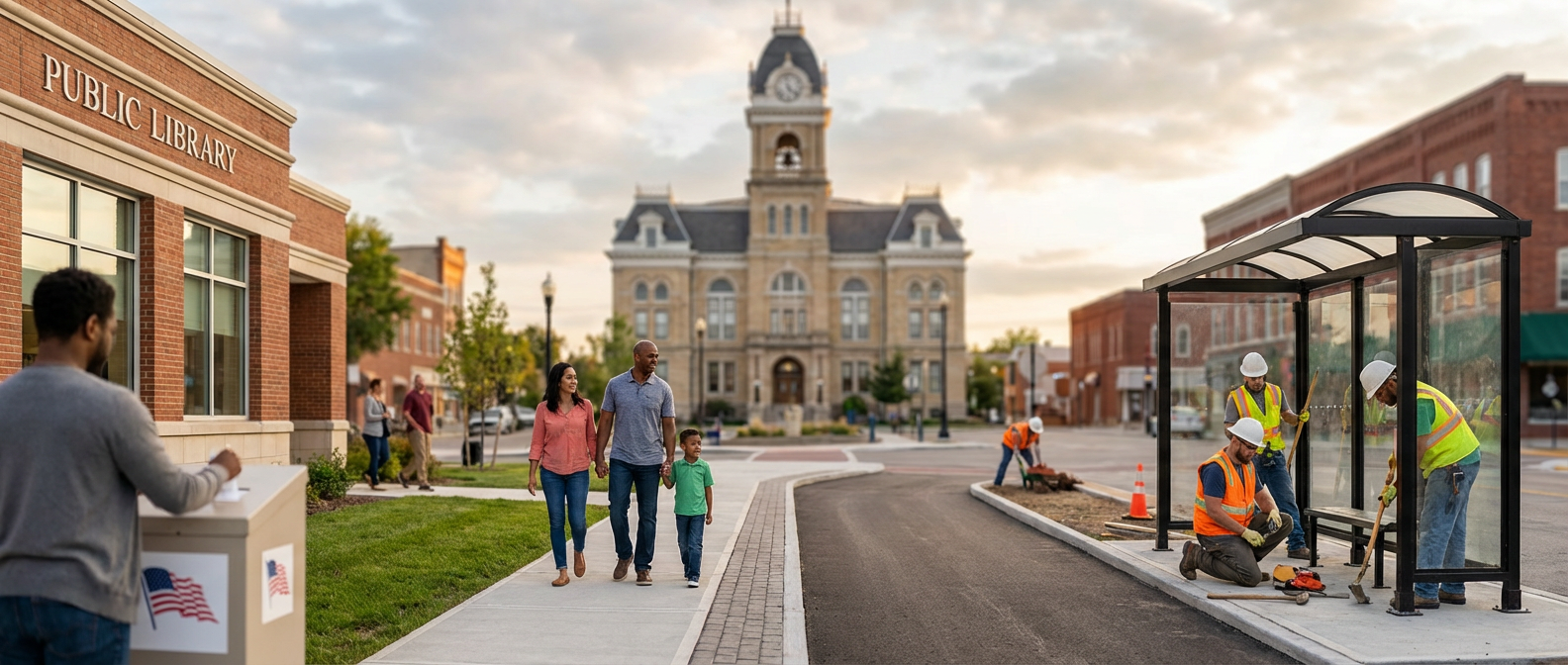
The tricky part is that local government decisions often get buried in bureaucratic language that makes your eyes glaze over. “Infrastructure maintenance assessments” and “development impact fees” sound boring, but they mean real money leaving your bank account. Here’s what I’ve learned about tracking these decisions.
Check your city’s online agenda portal first. Most cities post council meeting agendas at least 72 hours ahead of time. The items hitting your wallet usually show up under budget discussions or public works. Watch for words like “rates,” “fees,” “assessments,” and “capital improvements.” When you see these, pay attention.

The Permits and Regulations That Shape Your Neighborhood
Remember that corner lot that’s been empty for three years? Or the new apartment complex that seemed to appear overnight? Those changes happened because of zoning decisions and development permits approved months or even years earlier by your local planning commission and city council.
These land use decisions don’t just affect property values. They determine whether you’ll have a new gas station next to the elementary school, if that historic building gets demolished for condos, or whether the new development includes affordable housing units. The problem is that by the time construction starts, the window for public input has usually closed.
Your city’s planning department website typically has a map of current development proposals and zoning changes. Some cities have gotten better about this. Ours now sends email alerts for proposed developments within a quarter-mile of your address if you sign up. It’s not perfect, but it beats finding out about a major project when the bulldozers arrive.
The most important meetings often happen during planning commission sessions, which typically occur before city council votes. These meetings have smaller crowds and more detailed discussions about specific projects. If you care about what gets built in your neighborhood, this is where your voice matters most.
Transportation and Infrastructure: When Your Commute Gets Complicated
That pothole you’ve been dodging for six months? The intersection where the signal timing makes no sense? The bike lane that just ends randomly? All of these come from transportation planning decisions that happen in city council chambers, often buried in consent calendars that get approved without discussion.
Local transportation decisions affect your daily routine in ways that aren’t always obvious until they’re already implemented. Street maintenance schedules, traffic signal timing, parking regulations, and bus routes all flow from council decisions about budget priorities and infrastructure planning.
Most cities publish annual capital improvement plans that outline major infrastructure projects for the next five years. These documents tell you when your street might finally get repaved or if that dangerous intersection will get a proper signal. The plans don’t always get followed exactly, but they give you a realistic timeline for improvements.
For real-time updates, many cities now use apps or online portals where residents can report problems and track repair status. These systems aren’t perfect, but they’re usually more effective than calling city hall and hoping your complaint gets routed to the right department.
Public Safety and Services: What Really Gets Prioritized
Police and fire department budgets eat up huge portions of most city budgets, but the interesting decisions often happen around the edges. How many officers patrol your neighborhood versus downtown? Which parks get regular maintenance and which ones get neglected? How quickly does animal control respond to calls in different parts of town?
These service-level decisions rarely make headlines, but they seriously impact quality of life. The council member who pushes for more frequent street sweeping in residential areas or fights for extended library hours is making decisions that affect your daily experience of living in the city.
Budget season, typically in late spring or early summer, gives you the best window into these priorities. Most cities hold multiple budget hearings where department heads present their requests and council members ask questions about service levels. These meetings can be long and tedious, but they reveal what your local government actually values versus what they say they value in press releases.
Don’t overlook the consent calendar items that get approved without discussion. These often include contracts for services like park maintenance, road repair, and public safety equipment. While individual contracts might seem small, they add up to show clear patterns about where money flows and which neighborhoods get attention.
How to Stay Informed Without Losing Your Sanity
Following local government doesn’t require becoming a political junkie or attending every meeting. The key is building a system that catches the decisions that actually affect your life without drowning you in procedural details.
Start with your city’s email newsletter and council meeting agendas. Scan agenda items for keywords that matter to you: your neighborhood name, streets you use regularly, services you rely on, or issues you care about. Most agenda items include brief descriptions that help you decide whether the full discussion deserves your attention.
Local news coverage of city government has gotten sparse in many communities, but neighborhood social media groups and apps like Nextdoor often fill the gap with real-time updates about city decisions. The information isn’t always accurate, but it can alert you to issues worth investigating through official channels.
Consider connecting with one or two city council members whose priorities align with yours. Most council members genuinely want to hear from constituents, and a brief email expressing your views on upcoming votes often gets read and considered. You don’t need to become a regular at city hall to have influence on decisions that affect your daily life.
The next city council meeting is this Thursday at 7 PM. The agenda includes a discussion about parking regulations downtown and a vote on the annual contract for street maintenance. Not exactly thrilling television, but both decisions will affect how easily you can grab dinner downtown and whether the pothole on Elm Street finally gets fixed. Sometimes the most important conversations happen in the least exciting rooms.