
The Problem Was Right There in Black and White
When Maria Santos pulled up the city’s air quality data for her neighborhood last spring, the numbers told a story she already knew by heart. Her block, squeezed between the interstate and a cluster of warehouses, registered particulate matter levels consistently 40% higher than the affluent neighborhoods just fifteen minutes west. The difference wasn’t subtle, and it wasn’t accidental.
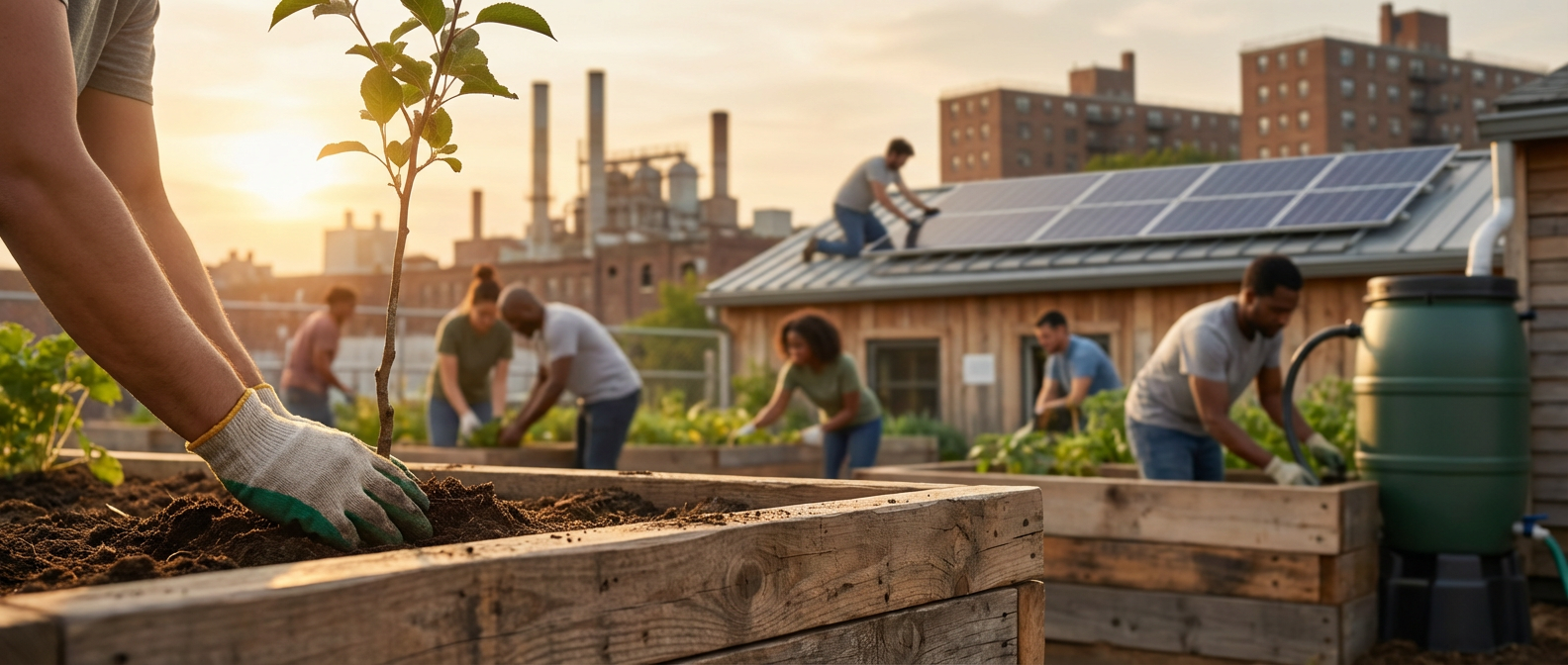
What started as research for a school board meeting turned into something much bigger. Maria had been trying to understand why her daughter’s asthma seemed worse during certain times of year, and why so many kids in their area carried inhalers. The data confirmed what residents had been experiencing: their corner of the city bore a disproportionate burden of environmental hazards while having the least access to green space.
The vacant lot on Maple Street became the focal point. For three years, it had collected trash, hosted illegal dumping, and reminded everyone of municipal neglect. But Maria saw something else when she looked at that quarter-acre of packed dirt and scattered debris. She saw possibility.

Building the Case, One Conversation at a Time
The first step wasn’t dramatic. Maria simply started talking to her neighbors. Not about grand plans or environmental justice theory, but about specific, daily frustrations. Why did Mrs. Chen have to drive twenty minutes to find a decent playground for her grandkids? Why did the city’s tree planting program seem to skip their streets year after year?
These conversations led to coffee with David Kim, a retired engineer who lived two blocks over, and eventually to a meeting with Jasmine Rodriguez, a recent urban planning graduate working at the community health center. The three of them started meeting monthly, armed with city council agendas, budget documents, and a growing folder of research about urban heat islands and environmental health disparities.
The breakthrough came when David discovered that the vacant lot was actually city-owned, tied up in a bureaucratic tangle involving unpaid taxes and a defunct development proposal. More importantly, they learned about a pilot program the city had quietly launched to address environmental justice concerns through community-driven green infrastructure projects. The program had funding but few applicants, partly because the application process was buried deep in the city’s website and required navigating multiple departments.
Making It Official Without Losing the Momentum
The application process taught them everything they needed to know about how environmental justice issues persist. Forms had to be submitted to three different departments, each with its own timeline and requirements. Community input needed to be documented in specific formats that favored organizations with grant-writing experience over grassroots groups with lived experience.
But they had something many applicants lacked: time and stubbornness. Maria took vacation days to attend city meetings. David created detailed soil and drainage assessments using his engineering background. Jasmine coordinated with the health center to document the connection between local air quality and respiratory health outcomes in their neighborhood.
The breakthrough came during a city council meeting in July. Instead of simply submitting their application and hoping for the best, they organized twenty neighbors to attend and speak during public comment. The stories were powerful because they were specific. Mrs. Chen talked about her grandson’s emergency room visits during high-pollution days. A local shop owner described how the vacant lot’s dust and debris affected his business and customers’ health.
Three weeks later, they received approval for $45,000 in funding to transform the lot into a community green space with native plants chosen specifically for air filtration. The project would also include permeable surfaces to reduce stormwater runoff and seating areas designed by community members.
The Work Behind the Work
Winning funding was just the beginning. The real work started with soil testing, which revealed contamination from decades of dumping. This meant more paperwork, environmental assessments, and a four-month delay while the city arranged for soil remediation. During this time, the trio had to keep neighbors engaged and informed while navigating setback after setback.
They held monthly meetings at the community center, sharing updates and maintaining momentum. When the city’s contractor fell through, David leveraged his professional network to find alternatives. When supply chain issues delayed native plant deliveries, Maria organized seed collection walks where neighbors gathered seeds from existing native plants in nearby parks.
The actual construction took six months, with neighbors contributing everything from weekend labor to homemade lunch for volunteer crews. Jasmine coordinated with local high schools to make the project part of environmental science curricula, bringing student volunteers who earned community service credits while learning about environmental justice firsthand.
The finished space includes over 200 native trees and shrubs chosen for their air-filtering capabilities, rain gardens that capture runoff from surrounding streets, and seating areas made from recycled materials. Air quality monitoring equipment, installed in partnership with the local university, provides ongoing data about the space’s environmental impact.
What Actually Changed
Six months after the green space opened, the results are measurable. Air quality monitoring shows a 15% reduction in particulate matter in the immediate area during peak traffic hours. The rain gardens have captured an estimated 12,000 gallons of stormwater runoff, reducing flooding on nearby streets. Property values in the surrounding area have increased modestly, benefiting long-time residents without yet triggering displacement concerns.
But the less measurable changes might matter more. The project created a network of neighbors who now attend city council meetings regularly, not just for their own issues but to support other communities facing similar challenges. Maria was appointed to the city’s environmental justice task force. David started a consulting service helping other neighborhoods navigate the grant application process.
Most importantly, the project proved that environmental justice isn’t just about protesting problems but about building solutions. The green space has become a model that three other neighborhoods are adapting for their own contexts, each with city council support that might not have existed without this precedent.
The next city council meeting is Tuesday at 7 PM, and there’s always room for more neighbors who want to see what’s possible when we combine lived experience with bureaucratic persistence. The agenda and background materials are posted online, and yes, I’ll bring coffee if you want to review them together first.