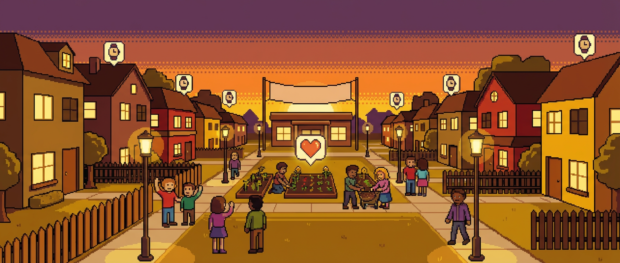
When the Sirens Became Too Familiar
Maria Santos first noticed the pattern on a Tuesday in March. The police sirens that had become white noise in her neighborhood seemed to cluster around the same three blocks, always between 2 and 4 AM. As she stood at her kitchen window with her second cup of coffee, watching another squad car navigate the narrow street, she realized something had shifted. The sirens weren’t just background anymore. They were a soundtrack to something breaking down.
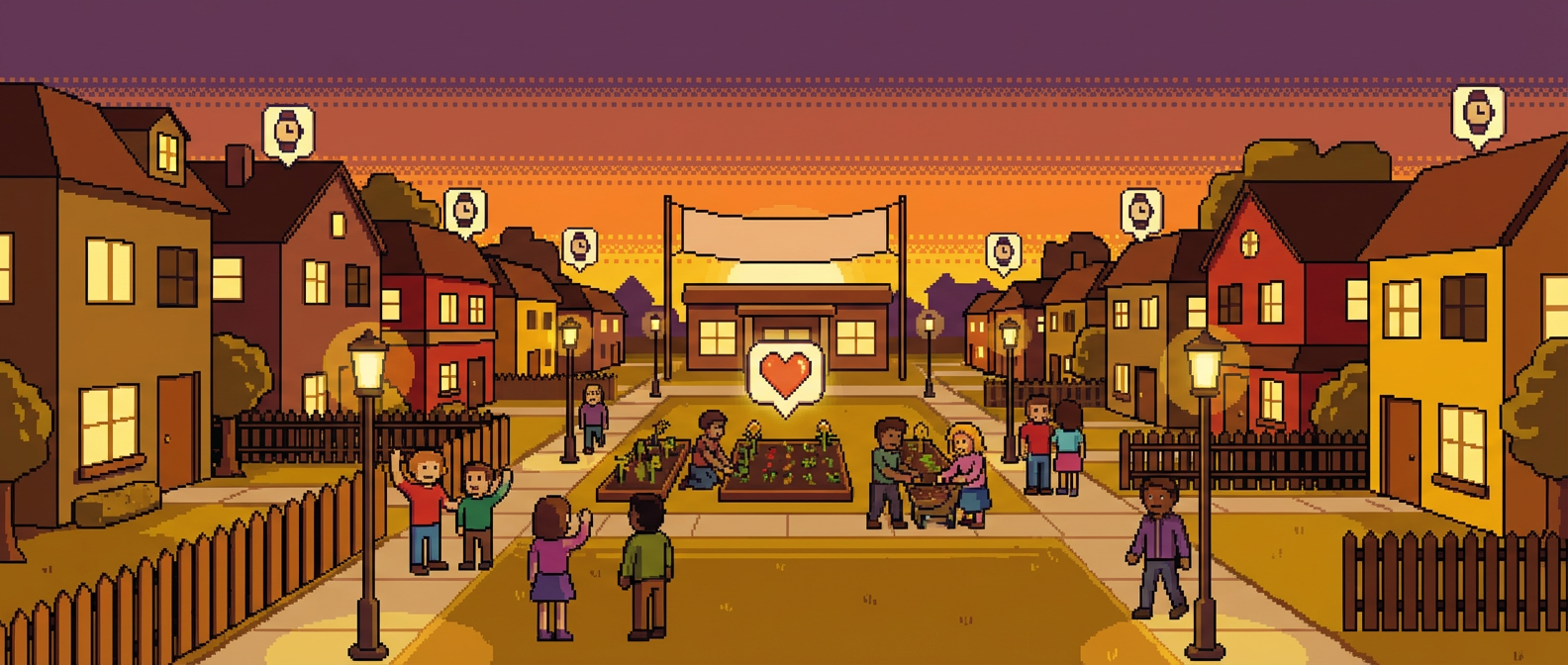
The statistics from last month’s city council meeting confirmed what Maria’s sleepless nights had already taught her. Property crimes in the Riverside District had jumped 23% over six months, with most incidents happening within a four-block radius of her home. But the numbers didn’t capture what really bothered her: the way neighbors had started avoiding eye contact during evening walks, or how the community garden that used to buzz with weekend volunteers now sat mostly empty.
Maria had moved to this neighborhood eight years ago specifically because it felt connected. People knew each other’s dogs’ names. Kids played street hockey until their parents called them for dinner. The corner bodega owner, Mr. Chen, knew everyone’s usual order and asked about their families. That fabric of casual familiarity, Maria realized, had been quietly coming apart.
The Accidental Organizer Next Door
Three houses down, James Rodriguez had been thinking along similar lines. A retired firefighter with 28 years of experience, James understood something basic about neighborhood safety that most people miss: crime doesn’t happen in a vacuum. It fills spaces where community connection used to be.
“I’ve responded to thousands of calls over the years,” James told me over coffee at his kitchen table, a stack of city council agendas within arm’s reach. “The neighborhoods where people looked out for each other always had fewer problems. Not because they had better security systems or brighter streetlights, though those help. Because isolation creates opportunity.”
James started small. When he noticed the elderly woman across the street, Mrs. Patterson, hadn’t brought in her newspaper for two days straight, he knocked on her door. She was fine, just recovering from a minor fall and feeling embarrassed about asking for help. That conversation led to another, then another. Soon James was making weekly grocery runs for three neighbors and had somehow become the go-to guy for snow shoveling on the entire block.
The real breakthrough came when James suggested starting a text chain. Not for emergencies, exactly, but for the kinds of everyday awareness that makes a neighborhood feel alive. Someone’s teenage son offering to walk dogs while families were on vacation. A heads-up when the city was planning street repairs. Small updates that kept people connected to what was happening in their shared space.
Building Bridges One Conversation at a Time
The text chain that started with eight neighbors grew to include 47 households within six months. But more importantly, it created permission for people to pay attention to each other again. Sarah Kim, a working mother of two who had lived on the block for five years without knowing most of her neighbors’ names, found herself stopping to chat with people she’d only nodded to before.
“The text chain wasn’t really about crime prevention,” Sarah explained as we walked past the community garden she now helps maintain every Saturday morning. “It was about remembering we all live here together. When you know that Mrs. Patterson makes the best banana bread and always has extras, and that the teenagers next door are actually really helpful when you need to move furniture, everything feels different.”
The shift was subtle but real. When Maria’s car was broken into in July, five neighbors she barely knew six months earlier showed up with coffee, information about good local mechanics, and offers to drive her to work until she got things sorted out. When the Hendersons’ house was broken into while they were visiting family, it was the text chain that coordinated meal deliveries, dog walking, and a rotating schedule of neighbors keeping an eye on the repairs.
Even better, the network began spotting and addressing problems before they got worse. When several neighbors noticed the same unfamiliar van parked on different streets at odd hours, they shared information and contacted police together. When the streetlight at the corner of Maple and Third stayed broken for three weeks, the group made coordinated calls to the city until it got fixed. The everyday awareness that comes from people knowing and caring about their shared space created a kind of natural security system.
Beyond the Text Chain: Making Connection Sustainable
What started as informal communication evolved into something more intentional. The group organized monthly potlucks that rotate between different homes, making sure even the most introverted neighbors have a chance to host on their own terms. They established a tool library in James’s garage, where people can borrow everything from power drills to slow cookers. During last winter’s ice storm, the network made sure no one went without heat or food for more than a few hours.
The city council took notice. When budget discussions came up for additional street lighting and crossing guards near the elementary school, representatives from the Riverside District had specific requests backed by data the neighbors had collected themselves. They knew exactly which intersections were most problematic and which streets needed better lighting because they had been paying attention.
Perhaps most tellingly, the crime statistics in their area began shifting downward. Property crimes dropped 31% over the following year, but more importantly, neighbors reported feeling safer walking in the evenings. The community garden buzzed with activity again. Kids resumed their street hockey games.
The Ripple Effect of Paying Attention
The success of the Riverside District network inspired similar efforts in three adjacent neighborhoods. Each group adapted the model to fit their own specific needs and dynamics, but the core principle remained the same: consistent, low-key connection that makes people feel known and valued in their own neighborhood.
Maria Santos, who went from insomniac observer to informal block captain, emphasizes that this kind of community building requires patience and persistence. “It’s not about perfect participation or everyone becoming best friends,” she says. “It’s about creating enough connection that people feel comfortable looking out for each other. Some neighbors prefer texting, others like face-to-face conversations, and some just want to be kept informed. The key is making space for all of those preferences.”
Real neighborhood safety, it turns out, looks less like security cameras and more like knowing who belongs and who doesn’t, who might need extra help during difficult times, and who has skills to share when problems come up. It gets built through small, consistent acts of mutual awareness rather than grand gestures or expensive solutions.
If this kind of community connection appeals to you, start even smaller than James did. Learn three new neighbors’ names this month. Offer to grab mail when someone travels. Share information about local issues that might affect everyone. The safety that matters most grows from those tiny seeds of attention we plant for each other, one conversation at a time.