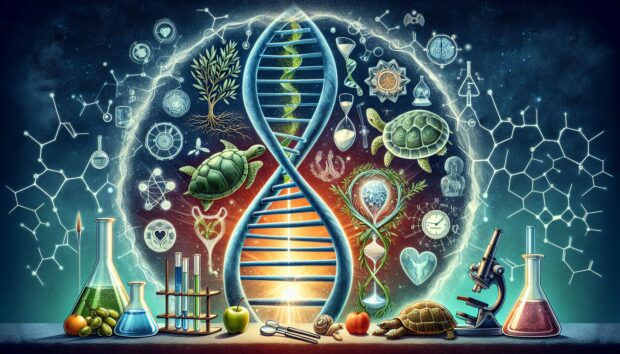
Ah, the age-old quest for eternal youth! From tales of the Fountain of Youth to sci-fi narratives about cryogenics, humanity has always been obsessed with defying the limitations of our biological clocks. Today, though, we’re not just spinning stories. The field of longevity science suggests we might actually have a shot at cracking the code of immortality, or at least postponing death long enough to flirt with the concept.
The Rise of Longevity Science
What’s Driving the Longevity Machine?
In recent years, the idea that aging is something that can be ‘fixed’ scientifically has picked up serious steam. Thanks to advances in genomics and biotechnology, plus an epic wave of investment from optimistic tech billionaires, longevity science is having its moment.
Companies like Calico, backed by Google’s parent company Alphabet, and Unity Biotechnology are leading efforts to tackle the biological processes of aging. Their goal? To extend human lifespan well beyond its traditional boundaries. Think of it as deleting the expiration date on life as we know it.
Peering into the Science
But how is this possible? Scientists are digging deep into the mysteries of the human genome, cellular senescence, and tissue regeneration. Cellular senescence involves the halt in the division of damaged cells, contributing to aging and decay. Researchers are looking at ways to remove these ‘zombie cells’ to potentially reverse aging-related damage and improve tissue function.
There are also studies on telomeres, the caps at the ends of our chromosomes that shorten as we age. By figuring out how to maintain telomere length, scientists believe we can significantly slow down the aging process.
The Tech Giants Bet Big
Silicon Valley: The New Fountain of Youth?
Enter the tech visionaries, or as some might call them, the modern-day explorers of human biology’s final frontier. Figures like Peter Thiel, Jeff Bezos, and Elon Musk are pouring money into longevity research. They aren’t just romantic dreamers. These guys see aging as a technical problem that can be solved with enough computer power and biological insights.
Thiel has invested in companies like the Methuselah Foundation, which is working on extending healthy human lifespans. Their slogan? “Make 90 the new 50 by 2030.” Ambitious? Absolutely. But hey, aren’t all major advances born from a bit of ambition and some pipe dreams?
The Need for Ethical Considerations
With great power comes great responsibility, right? There’s this undercurrent of concern that extending lifespan might lead to overpopulation, social inequality, and well, existential boredom. How do you live forever without running out of reasons to wake up in the morning?
These are questions policymakers, ethicists, and scientists need to address as research accelerates. It’s not just about the science but about creating a future where these advancements don’t lead to dystopian outcomes.
The Realistic Road Ahead
The Challenges to Overcome
While the science is enticing, let’s not get carried away just yet. We’re still a ways off from the pill that makes living to 200 as easy as popping a multivitamin. Biological systems are devilishly complex, and aging involves countless factors, both known and unknown.
The roadblocks are many: clinical trials, FDA approval, public perception, and of course, being able to afford it. Just imagine explaining to grandma that you’ve discovered the secret to her vitality, but it costs as much as a Manhattan apartment.
The Forecast for the Future
So what does all this mean for the future? The industry is bullish about transformative advances over the next few decades. Most experts agree that practical treatments extending life by a decade or two will become available within our lifetimes.
There’s rampant speculation that these advancements could lead us to an era where aging is classified as a disease, one that can be treated, managed, or even cured. Imagine a world where people choose a biological age and stay that way for as long as they wish. Would you opt for eternal youthful vim, or stick it out as the wise sage with a silver mane?
In Closing: Hope or Hype?
Longevity science is promising, challenging, and, above all, tantalizing in its potential. Whether funded by the deep pockets of Silicon Valley or the meticulous work of scientists in white coats, the goal of extending human lifespan is no longer just the stuff of fantasy novels.
As we dig deeper into this brave new world, we should remember that with every stride forward, we also bear the responsibility to balance scientific ambitions with ethical considerations. We need to ensure that everyone benefits from the fruit of this labor, not just a privileged few.
So, whether you’re a biohacker eager to tweak your genes or just someone who can’t keep up with the ever-increasing pace of life, longevity science gives us a compelling glimpse into the future. And who wouldn’t want a few extra decades to enjoy those sunrises and brunch mimosas? What a time to be alive, indeed!